
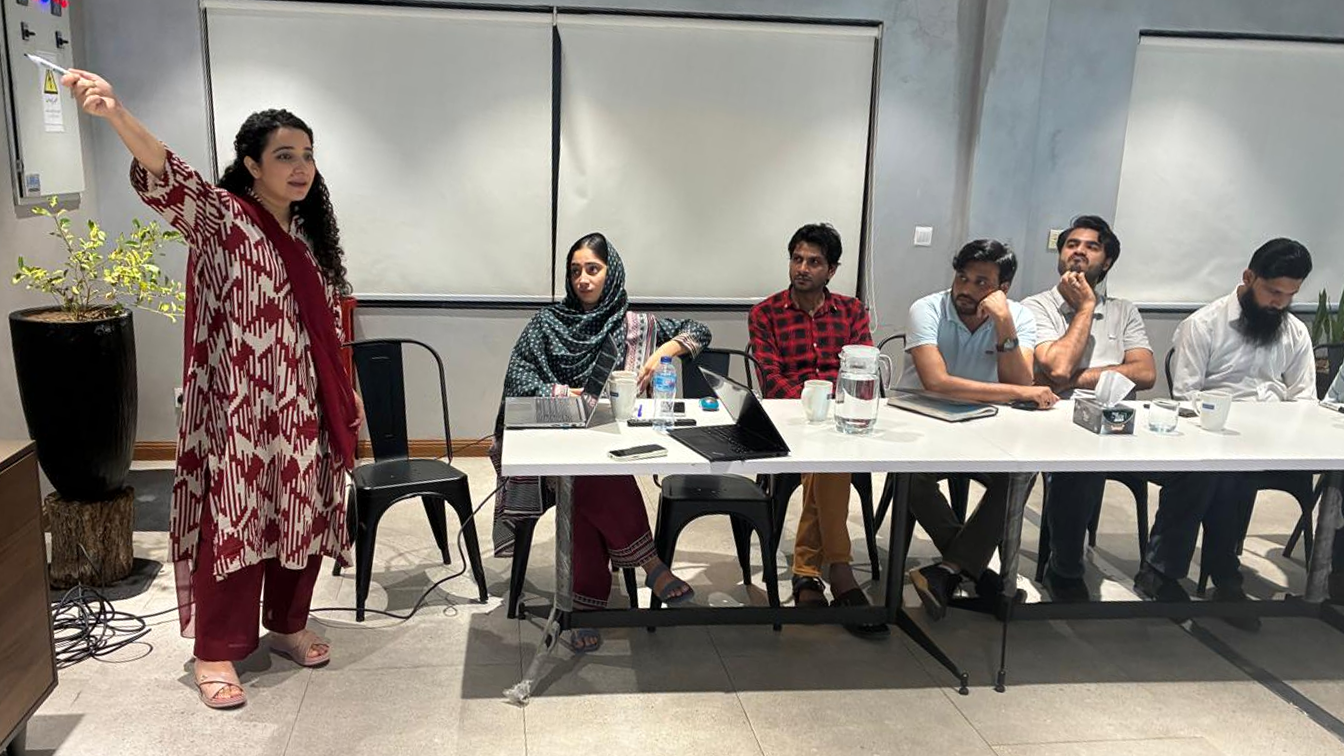
On 18th September 2025, the Pakistan Business and Disability Network (PBDN), in partnership with Sightsavers, held a full-day Disability Confidence Training session at Sapphire Finishing Mills in Lahore. The workshop brought together over 30 employees, including department heads, line managers, and HR staff, for an interactive conversation about disability inclusion in the workplace.
The goal was to help participants understand what true inclusion means, clear misconceptions, and equip them with practical ways to make their workplace more inclusive.
The day began by putting disability into perspective. Globally, the World Health Organization estimates that nearly 1 in 6 people in the world’s population live with some form of disability. In Pakistan, official data from the Pakistan Bureau of Statistics puts this figure at around 14%. That means millions of talented, capable individuals are part of our communities and our potential workforce.
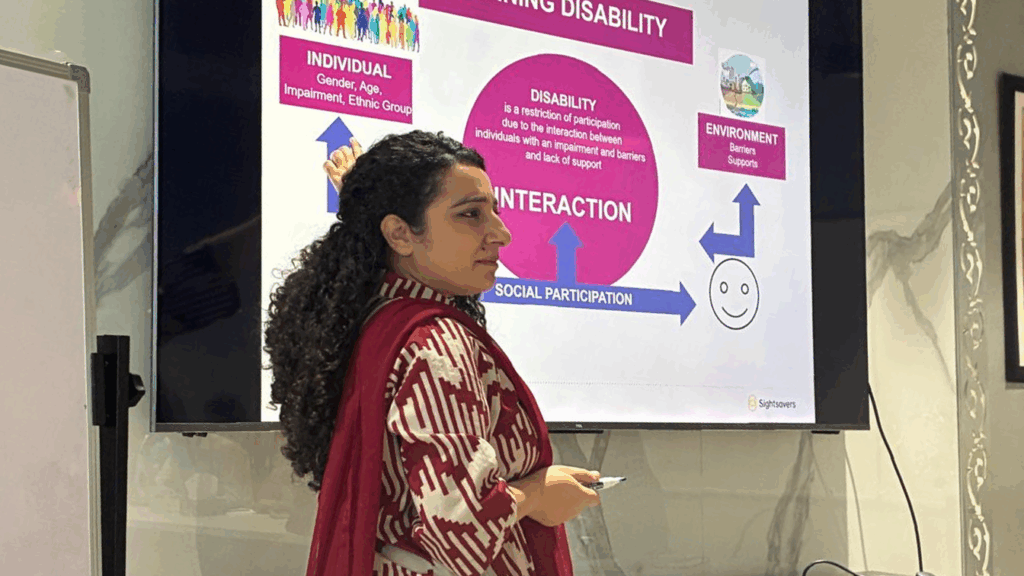
Participants were reminded that disability isn’t about what someone “can’t do.” Instead, it’s about the barriers society creates, physical, social, or attitudinal, that prevent full participation. True inclusion means removing those barriers so everyone has a fair chance to contribute and succeed.
How We Think About Disability
The session introduced four different ways people have historically viewed disability:
- Medical view: Sees disability as a personal health issue that needs fixing.
- Charity view: Treats people with disabilities as helpless and in need of pity.
- Social view: Focuses on how environments and attitudes create obstacles, not the person.
- Rights-based view: Recognizes people with disabilities as equal citizens deserving of dignity, opportunity, and respect.
The training emphasized the rights-based approach, urging leaders to see inclusion not as an act of kindness but as a responsibility and a strength.
Words Matter
Language shapes how we see others and ourselves. A dedicated part of the session focused on using respectful, person-centered terms. For example:
- Say “person with a disability” instead of “disabled person” or outdated terms like “handicapped.”
- Use “wheelchair user” rather than “confined to a wheelchair.”
- Avoid words like “normal” or “able-bodied” when comparing people; instead, say “person without a disability.”
These small changes help build a workplace culture rooted in respect.
Learning by Doing
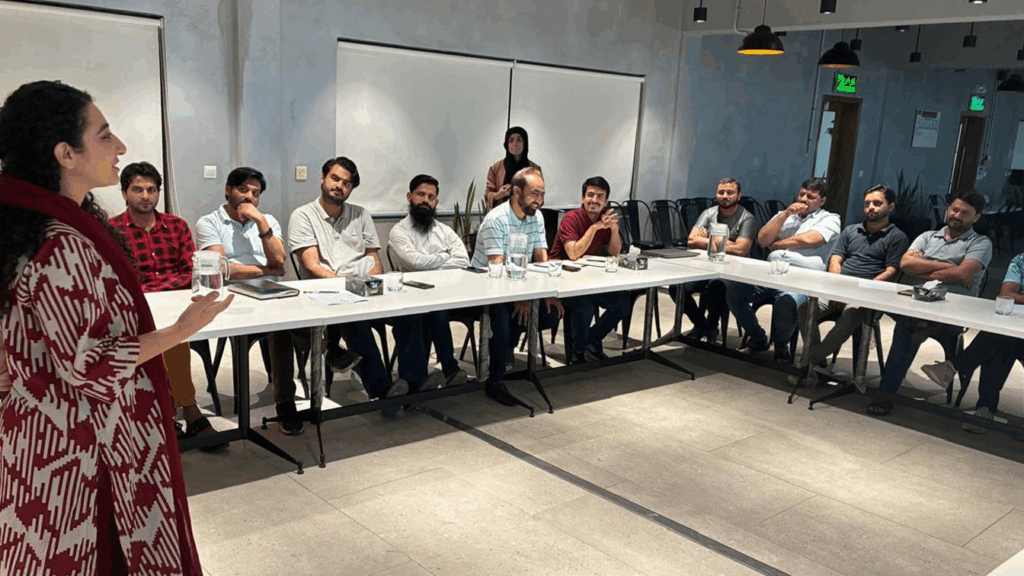
The day wasn’t just about listening, it was about engaging. In one activity, participants sorted real-life scenarios into categories like exclusion, segregation, integration, and inclusion. Many realized that simply placing someone in a room doesn’t mean they’re truly included, real inclusion means equal access, voice, and opportunity.
In group discussions, teams identified real challenges people with disabilities often face at work: buildings that aren’t accessible, no clear emergency plans, lack of transport options, and even unconscious doubts about someone’s ability to do the job. These conversations sparked honest reflection on hidden biases and opened doors to new thinking.
Rights and Responsibilities
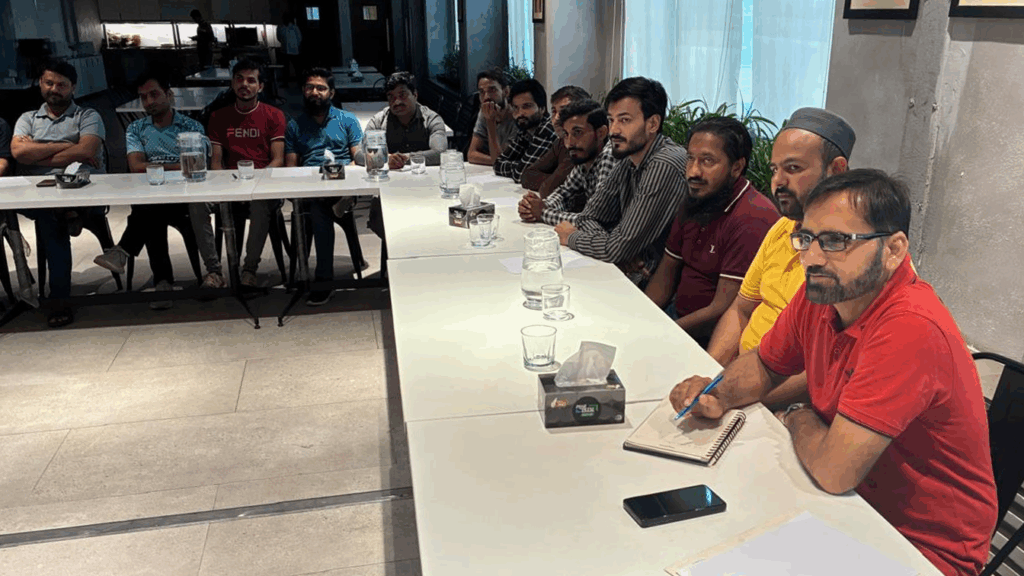
Participants also learned about Pakistan’s legal commitments, both under national laws and international agreements like the UN Convention on the Rights of Persons with Disabilities (UNCRPD). They were reminded that inclusion isn’t just good ethics, it’s also part of the country’s promises under the Sustainable Development Goals (SDGs).
A Promising Step Forward
By the end of the day, it was clear that the leadership at Sapphire Finishing Mills is ready to lead by example. Participants left not just informed, but motivated and committed to turning awareness into action.
With support from PBDN and Sightsavers, Sapphire Finishing Mills is taking meaningful steps toward becoming a disability-confident employer. In doing so, they’re not only opening doors for talented individuals, they’re helping shape a more inclusive future for Pakistan’s textile industry and beyond.