
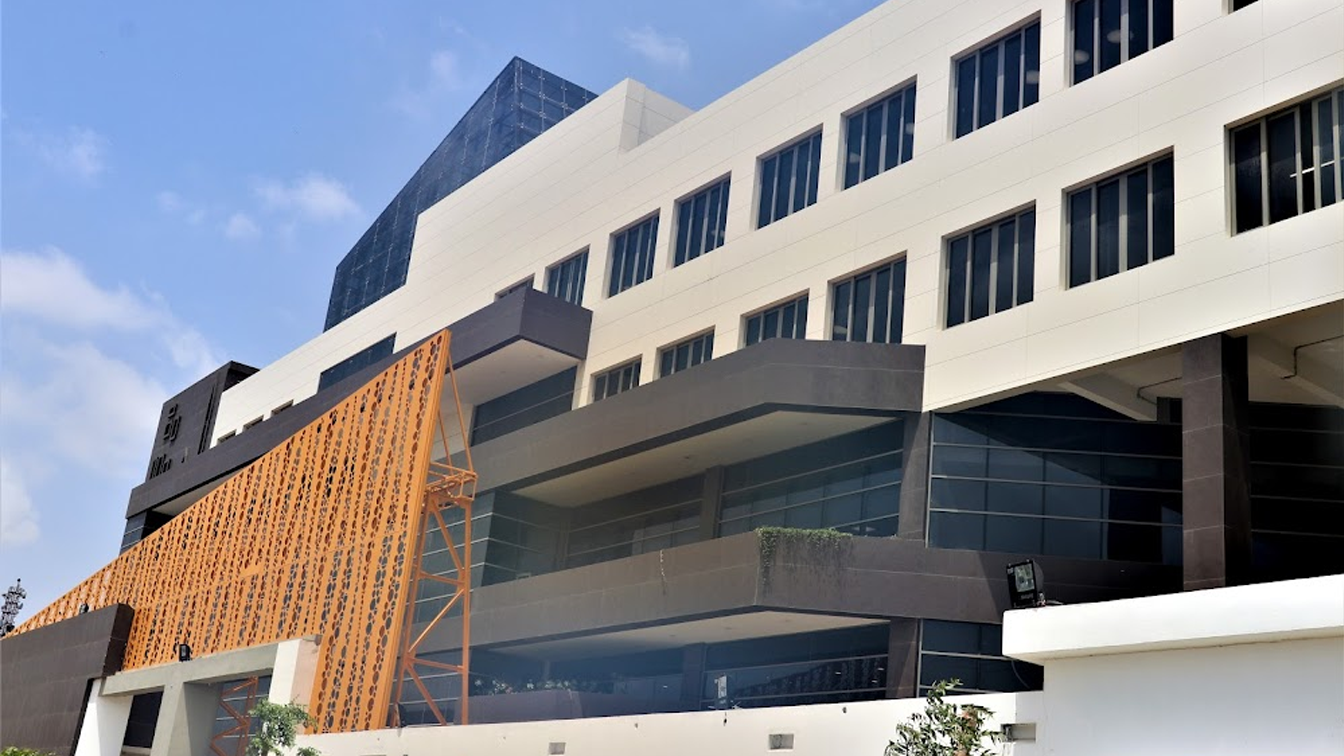
At Soorty, disability inclusion is not a standalone initiative; it is embedded within the organization’s operational framework. By prioritizing reasonable accommodation and accessible infrastructure, Soorty demonstrates how inclusive practices can directly enhance productivity, employee retention, and workplace culture. The following stories reflect how a structured and intentional approach to inclusion creates meaningful opportunities for persons with disabilities.
A Legacy of Dedication – Muhammad Khalid
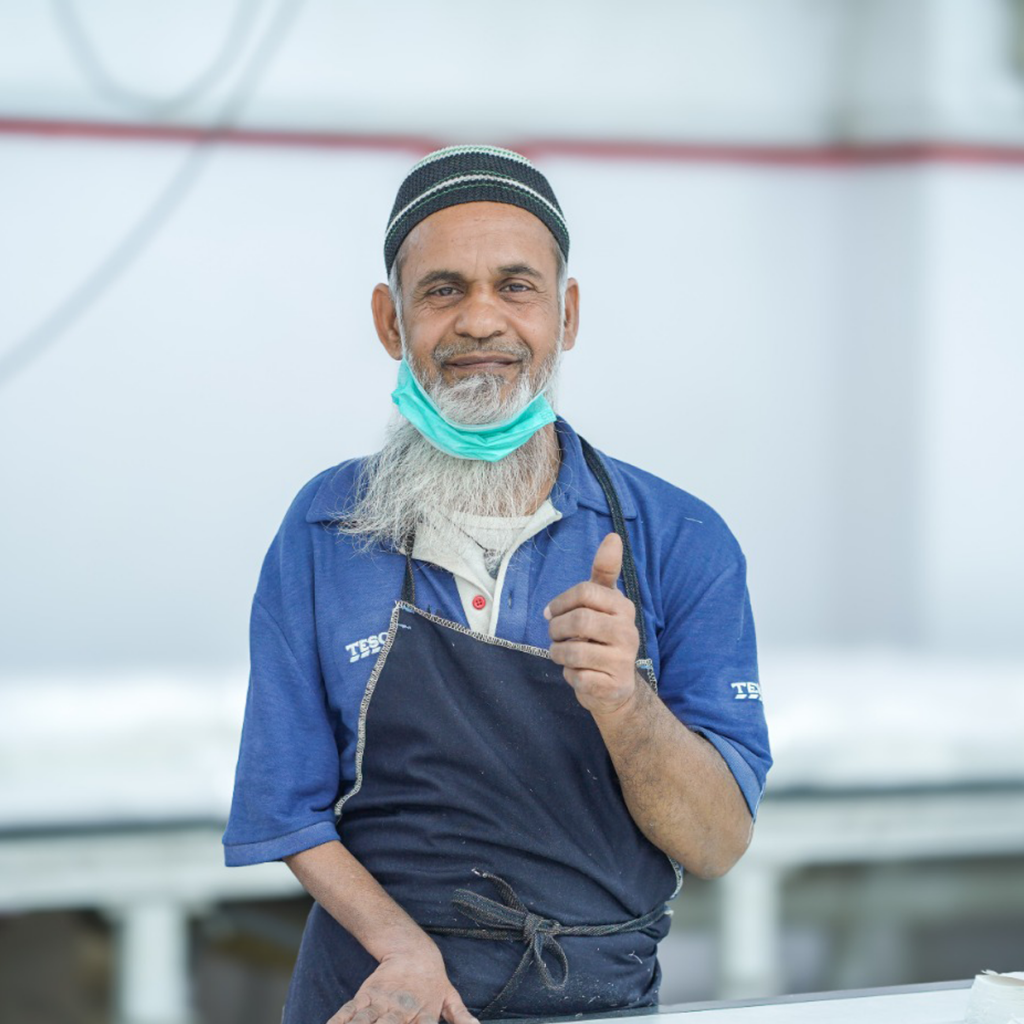
With nearly three decades at Soorty, Muhammad Khalid’s journey highlights the power of long-term inclusion. Serving in the Cutting Department since 1996, he exemplifies how consistency, skill, and an enabling work environment can foster both professional growth and organizational stability. His story underscores that when employees are valued, they remain committed contributors to institutional success.
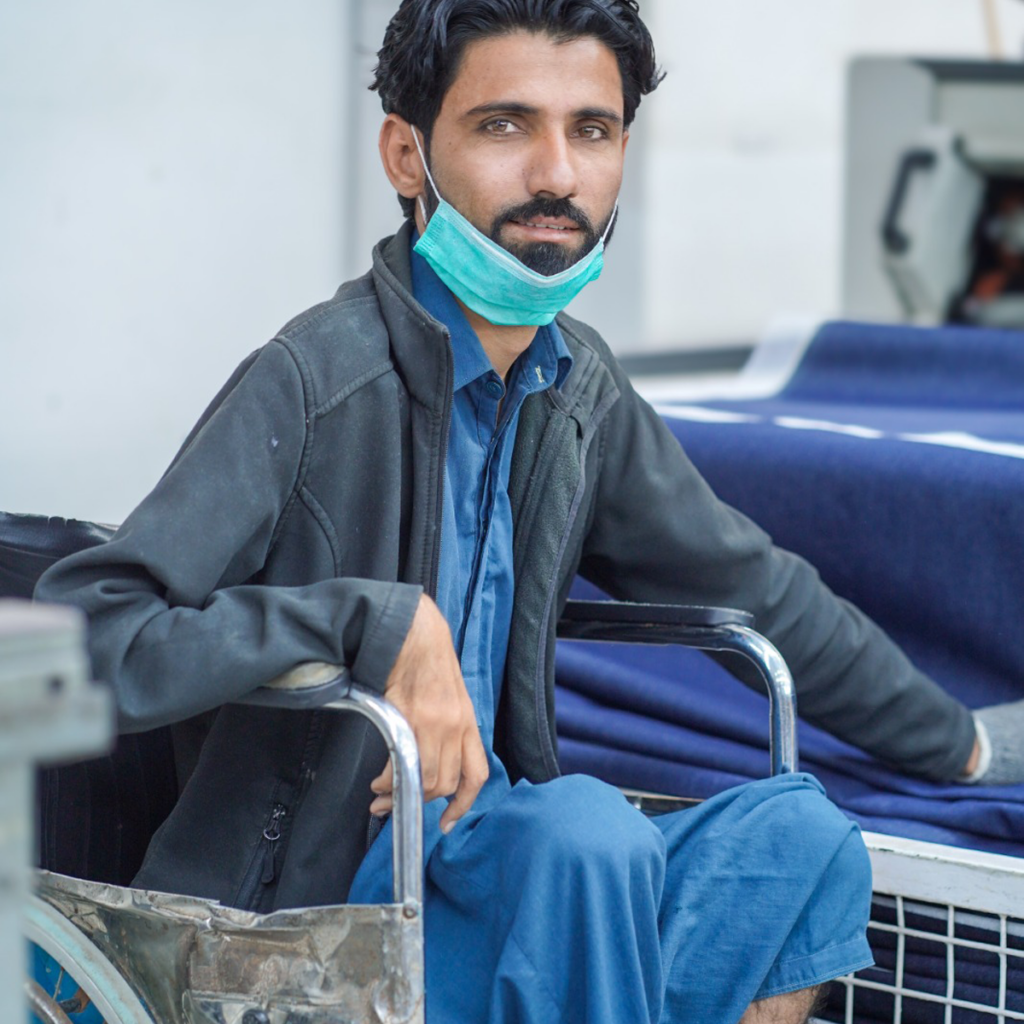
Enabling Performance through Accessibility – Shehzada
Shehzada’s experience reflects the importance of practical workplace adjustments. With access to tailored facilities and transport support, he is able to perform his role in fabric fusing efficiently and safely. His journey reinforces that investing in accessibility is not just support, it is a strategic step toward maximizing workforce potential.
Empowering Women through Inclusive Workspaces – Nasreen
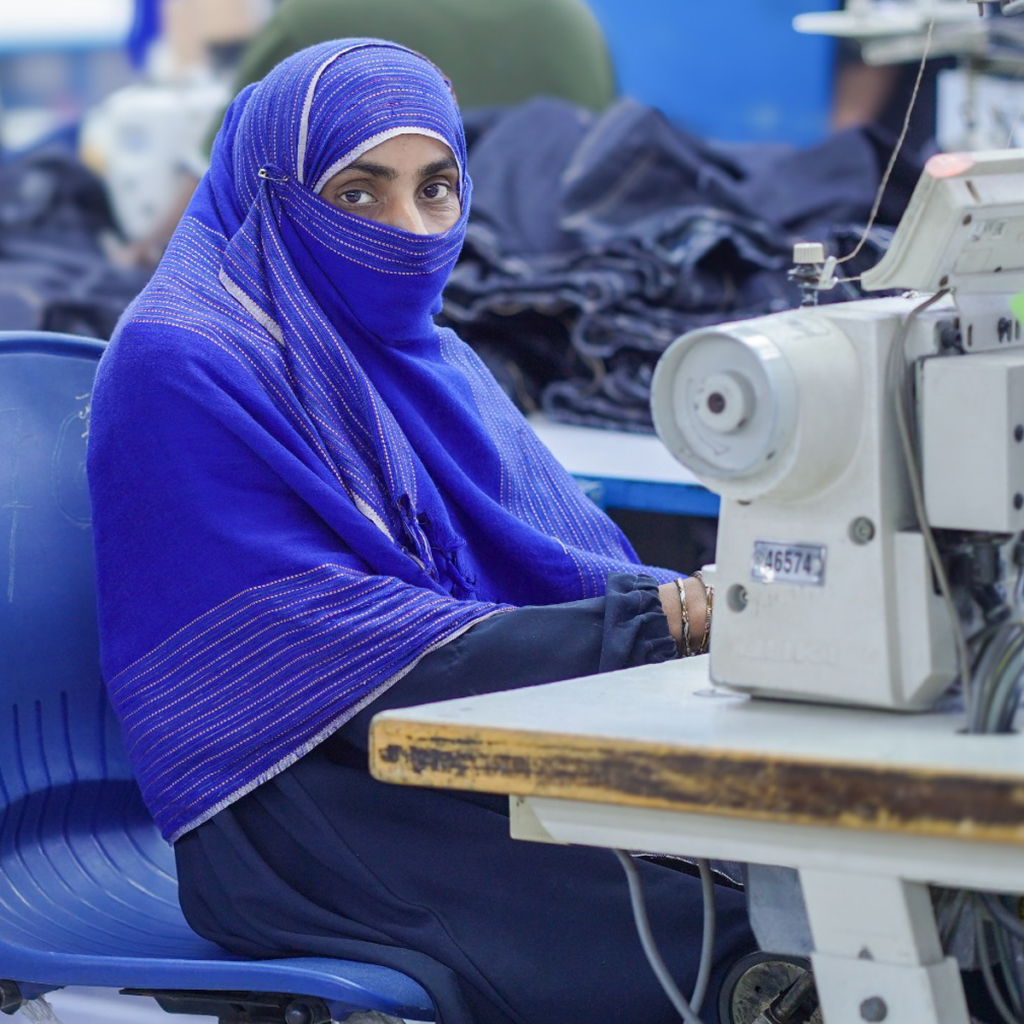
As a Fly Stitching Operator since 2014, Nasreen’s story represents the intersection of gender and disability inclusion. Working in a respectful and discrimination-free environment, she has built confidence, financial independence, and professional pride. Her journey highlights the critical role inclusive workplaces play in empowering women with disabilities.
Driving Independence through Inclusive Systems – Muhammad Tahir
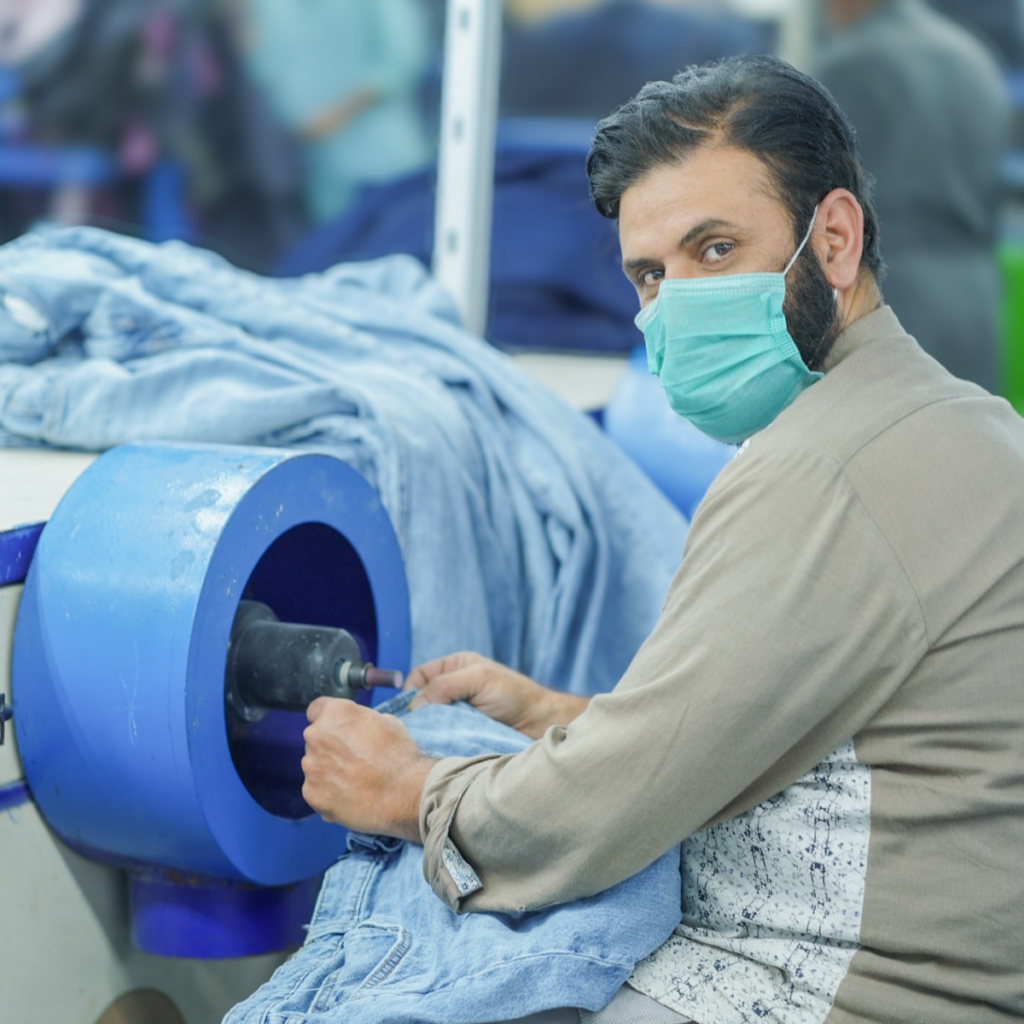
After receiving skills training, Muhammad Tahir joined Soorty’s Dry Process Department, where inclusive technologies and systems support his daily work. From accessible attendance systems to workplace facilities, these measures enable efficiency and dignity. His story illustrates how systemic inclusion fosters independence and confidence among employees with disabilities.
A Model for Inclusive Industry
Together, these stories demonstrate that inclusion, when rooted at every level from infrastructure to culture, can transform workplaces into engines of equity and growth. The Soorty Model offers a compelling example for businesses across Pakistan to adopt inclusive practices that drive both social impact and organizational excellence.